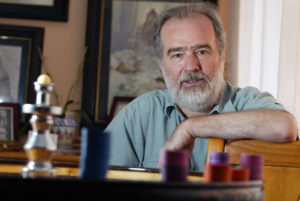
 Madrid-born Gonzalo Garcia Pelayo was a director, producer and writer before undertaking a study of bias in roulette wheels in his home town. Aided and abetted by his son Ivan and his daughter Vanessa, Pelayo started playing roulette for money in 1991 and, within a year, had won $700,000. By using a simple computer model, Pelayo claimed not only to have negated the house edge – typically 2.7%, or 5.3%, depending on the version of roulette – but actually given himself a 15% edge.
Outlawed by Spanish casinos, the Pelayo Family tried its luck in Las Vegas – via European destinations, including Amsterdam and Vienna – posing as tourists and changing their accents to avoid suspicion. Their success continued until, fresh from winning $500,000 in the summer of 1994, Pelayo collapsed from exhaustion.
All told, Pelayo won in excess of $1.5 million, after expenses, and would later detail his exploits in the book, ‘La Fabulosa Historia de los Pelayo’, which translates in English as ‘The Fabulous History of the Pelayos’. An inveterate gambler, Pelayo subsequently set up an illegal poker establishment and became heavily involved in sports betting, including football, horse racing and tennis, as part of what he called a ‘private investment fund’.


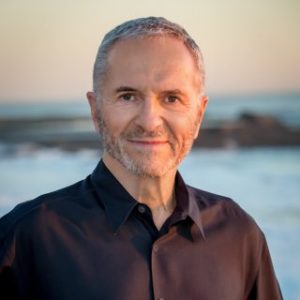 American mathematics professor Edward Oakley Thorp is famous in gambling circles as the author of the 1962 book, ‘Beat the Dealer’, which is nowadays billed ‘The book that made Las Vegas change the rules’. Shortly after being awarded his doctorate in mathematics by the University of California, Los Angeles in 1958, Thorp played blackjack in Las Vegas. He realised that, unlike other games of chance, each hand of blackjack is influenced by the cards already dealt from the deck and set about developing a winning system based on mathematical probability.
 Introduction